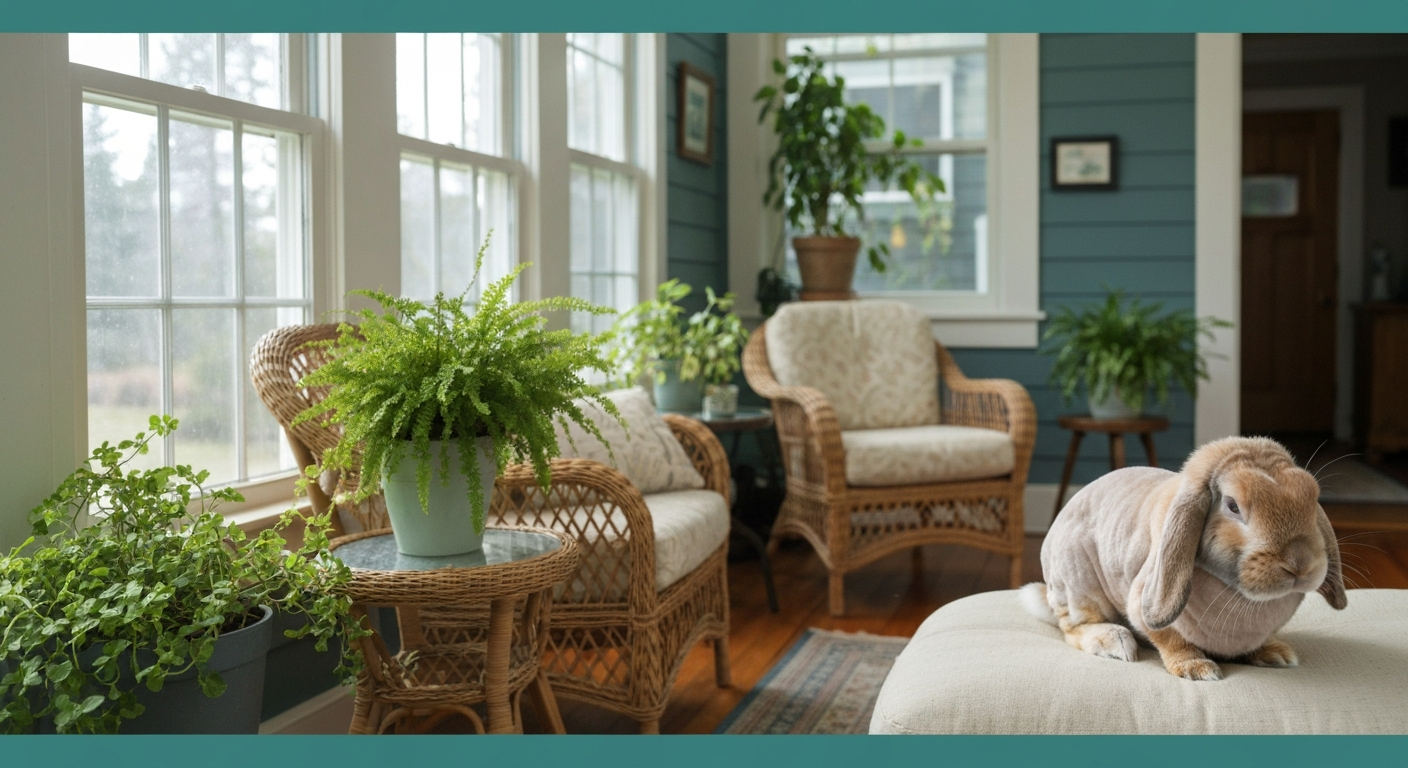
Best Emotional Support Animals for Maine Apartments — A Clinician-Vetted Lineup
Informational content only. Nothing on this page constitutes medical, mental-health, or legal advice. If you believe you may benefit from an emotional support animal, please consult a Maine-licensed mental health professional. For housing disputes, consult a Maine-licensed attorney or your local legal aid office.
Maine is, by temperament, a state that understands the bond between people and animals. From the lobstermen of Penobscot Bay who work alongside sea-hardened dogs to the Portland apartment-dweller who credits her rescue cat with getting her through the long February darkness — Mainers have always known that animals carry therapeutic weight. What the law now recognizes, under the federal Fair Housing Act and HUD's landmark guidance document FHEO-2020-01 (Assessing a Person's Request to Have an Animal as a Reasonable Accommodation Under the Fair Housing Act), is that this bond can constitute a legally protected reasonable accommodation in housing — provided it is documented by a licensed mental health professional (LMHP) in a properly issued ESA letter.
But not every animal is equally well-suited to apartment living, and not every animal will be equally therapeutic for every person. A licensed clinician will determine whether an emotional support animal is therapeutically appropriate for your individual circumstances. What this guide does is lay out the practical, clinician-informed landscape: which animals tend to thrive in Maine's apartment environments, what behavioral and space considerations matter, and how each species intersects with the FHA protections a legitimate ESA letter from a Maine-licensed LMHP can provide. Think of this as your pre-appointment research — an informed starting point before you sit down with a qualified professional.
How FHA Protections Work in Maine Apartments
Before the lineup, a brief legal grounding. Under the Fair Housing Act, a landlord who is not exempt (most multi-unit housing in Maine is covered) must provide reasonable accommodations for tenants with qualifying disabilities — including permitting an emotional support animal even when a building has a no-pets policy, and without charging a pet deposit for the ESA itself. HUD's FHEO-2020-01 notice clarifies that landlords may request documentation from an LMHP when the disability or the disability-related need for the animal is not obvious. That documentation is the ESA letter — a clinical document, not a registry certificate or an ID card. Online registries and laminated ESA certificates carry no legal weight; HUD has explicitly confirmed they do not satisfy the FHA's documentation standard.
In Maine, the relevant state overlay is the Maine Human Rights Act (5 M.R.S.A. § 4581 et seq.), which mirrors and in some respects expands federal fair-housing protections. The Maine Human Rights Commission (MHRC) enforces these provisions at the state level. If you need enforcement assistance, the MHRC and Pine Tree Legal Assistance are useful starting points — though, again, please consult a Maine-licensed attorney for any specific dispute. For a deeper dive into the housing-letter process itself, see our guide on obtaining a Maine ESA housing letter under the FHA.
The Clinician-Vetted Lineup: 8 Best ESA Animals for Maine Apartments
-
1. Dogs — The Anchor Animal, Done Right
It is not hyperbole to say that dogs remain the most frequently cited emotional support animal in clinical practice. The research base supporting canine-assisted emotional regulation is extensive: studies published in peer-reviewed journals consistently link dog ownership with reduced cortisol levels, lower blood pressure, and increased oxytocin release. For individuals managing anxiety disorders, depression, PTSD, or panic disorder — conditions that may qualify a person for an ESA accommodation — many find that a dog's responsiveness to human emotional states provides a grounding effect that is difficult to replicate with other animals. A licensed clinician will determine whether a dog is therapeutically appropriate for your specific presentation.
In a Maine apartment context, however, breed and temperament selection matter enormously — both for the animal's welfare and for practical coexistence with neighbors in shared-wall buildings. Larger, high-energy working breeds may struggle in a 650-square-foot Portland studio without substantial daily outdoor exercise, which Maine's winters can complicate significantly. Clinicians who work in urban Maine settings often observe that their clients fare best with breeds that tolerate moderate activity levels indoors — Cavalier King Charles Spaniels, Basset Hounds, French Bulldogs, Shih Tzus, and certain mixed breeds with calm temperaments tend to appear in apartment-friendly ESA discussions. Importantly, breed alone does not determine suitability; individual temperament assessment matters at least as much.
Note also that while an ESA letter provides FHA housing protections, it does not override a landlord's ability to exclude an animal that poses a direct threat to others or has caused documented property damage. Basic behavioral foundations — recall, leash manners, and the ability to settle calmly — protect both the dog's quality of life and your tenancy. Our article on ESA training basics in Maine covers practical steps for building those foundations. For breed-specific guidance tailored to Maine apartment environments, see our full resource on the best ESA dog breeds for Maine apartments.
Practical takeaway: Choose a dog whose energy level and noise profile match your apartment's square footage and your building's tolerance. Invest in behavioral foundations early. Confirm your ESA letter is issued by a Maine-licensed LMHP who has conducted a genuine clinical evaluation.
-
2. Cats — Quiet Companions for Small-Space Living
For Maine apartment dwellers, cats occupy a uniquely practical position in the ESA landscape. They are self-contained in ways that dogs are not: they do not require outdoor walks in subzero January temperatures, they are largely silent in shared-wall contexts (with exceptions — some breeds are notably vocal), and they are well-suited to the rhythms of someone whose mental health may make a high-maintenance animal overwhelming on difficult days. Many clinicians note that for clients managing social anxiety, agoraphobia, or depression-related fatigue, the lower-demand reciprocity of a cat can feel more sustainable than the constant engagement a dog requires.
The therapeutic mechanism is different from dogs but no less real. The act of stroking a purring cat has been associated with measurable reductions in anxiety in clinical literature, and the predictable warmth of a cat's presence — occupying the same chair, sleeping at the same time, orienting toward its person — can provide a structuring effect for individuals whose mood disorders disrupt their sense of daily continuity. Breeds that tend to be particularly well-adapted to Maine apartment ESA contexts include the Maine Coon (fittingly), the Ragdoll, the British Shorthair, and many domestic shorthair rescues — all of which tend toward calm, affectionate temperaments without being excessively demanding.
Under FHA and HUD FHEO-2020-01, a landlord with a no-pets policy cannot charge a pet fee for a properly documented ESA cat, nor can they deny the accommodation solely on the basis of the no-pets policy — provided the documentation comes from a qualified LMHP and the animal does not pose a direct threat. For a thorough exploration of cat-specific considerations in Maine housing, see our resource on ESA cats in Maine as quiet apartment companions.
Practical takeaway: Cats are among the most apartment-compatible ESA species in Maine — low-maintenance relative to dogs, quiet, and well-suited to small spaces. A clinician's evaluation will confirm whether the specific therapeutic dynamic fits your needs.
-
3. Rabbits — Gentle, Low-Noise, and Surprisingly Effective
Rabbits have moved steadily from novelty ESA to a clinically recognized option for individuals in apartment settings, and for good reason. They are nearly silent, they do not require outdoor exercise in the way dogs do, and their gentle tactile presence — the act of holding or stroking a calm rabbit — can engage the parasympathetic nervous system in ways that many individuals with anxiety find grounding. In Maine's denser apartment districts, where noise complaints and neighborly friction are genuine concerns, a rabbit's quiet nature is a meaningful practical advantage.
What surprises many people is the degree of social attunement rabbits can demonstrate. Well-socialized rabbits — particularly those raised with handling from a young age — will seek out their person, respond to their name, and orient toward emotional distress in ways that feel genuinely interactive rather than merely passive. For individuals who find dogs overstimulating on difficult mental health days, or who have allergies that complicate cat ownership, a rabbit can occupy a therapeutically meaningful middle ground. Holland Lops, Mini Rex, and Lionhead rabbits tend to be particularly gentle-natured, though individual temperament always varies.
From a housing standpoint, rabbits are covered by the same FHA reasonable accommodation framework that governs dogs and cats — provided the ESA letter is properly issued by a Maine-licensed LMHP who has determined the animal is therapeutically indicated for the client's disability-related need. Rabbits do require appropriate housing (a proper enclosure, not a small cage), a hay-based diet, and routine veterinary care — logistical considerations worth thinking through before pursuing this path. For a full treatment of rabbit-specific considerations in Maine, see our guide on rabbits as emotional support animals in Maine.
Practical takeaway: Rabbits are an excellent apartment-friendly ESA option for Maine residents who want a quiet, tactile animal companion. Research their care requirements thoroughly, and ensure your ESA letter reflects a genuine clinical relationship.
-
4. Guinea Pigs — Small, Social, and Calming
Guinea pigs occupy a therapeutic niche that is easy to underestimate. They are social creatures who vocalize in soft, gentle tones — the characteristic "wheek" and purr — that many individuals with anxiety find soothing rather than startling. Unlike rabbits, guinea pigs tend to be less prone to the startled-flight response that can make rabbit handling challenging for beginners, and they are often quite tolerant of extended handling. In Maine apartment contexts, their small size, contained living environment, and relatively modest care requirements make them a genuinely practical option.
From a therapeutic standpoint, the structured routine that guinea pig care requires — feeding twice daily, cage cleaning, daily handling — can provide beneficial behavioral scaffolding for individuals managing depression or anxiety. Many clinicians note that for clients whose mental health presentations include difficulties with motivation, low-stakes routine care tasks can serve as accessible behavioral activation anchors. A licensed clinician will assess whether this dynamic is therapeutically relevant to your specific situation.
Guinea pigs are covered under FHA protections when properly documented in an ESA letter by a Maine-licensed LMHP, though it is worth noting that HUD's FHEO-2020-01 guidance does specify that the accommodation must be reasonable — meaning the animal must not pose a direct threat, and the landlord is not required to make structural modifications to accommodate an unusual habitat. Standard guinea pig housing is well within what most apartments can accommodate without modification.
Practical takeaway: Guinea pigs are a strong ESA choice for Maine apartment residents who want a small, socially engaged, quiet animal. Their care routine can itself be therapeutically beneficial. Ensure documentation meets FHA standards.
-
5. Birds (Particularly Cockatiels and Budgerigars) — Vocal Companionship, Minimal Space
Birds sit in a distinct therapeutic category. Where mammals provide tactile and physical-contact-based emotional support, birds offer a different register of companionship — one centered on sound, social interaction, and the experience of being responded to by a creature that is genuinely attentive to its environment and to its person. For individuals who find the therapeutic benefit of an ESA primarily in having a living presence that responds to them — rather than in physical touch — birds can be deeply effective. Cockatiels, in particular, are known for their capacity to bond closely with a primary person, mimicking speech and tones, orienting toward their owner, and demonstrating what researchers describe as social referencing behavior.
In a Maine apartment context, the noise consideration is real and worth addressing honestly. Large parrots — macaws, cockatoos, African Greys — produce noise levels that are genuinely problematic in shared-wall housing and are unlikely to constitute a reasonable accommodation that any landlord is obligated to absorb. Cockatiels, budgerigars (parakeets), and parrotlets occupy a much more manageable noise range. A single cockatiel's contact calls are comparable in volume to a moderate conversation, and budgies are quieter still. For individuals whose primary concern is sound — either because they need ambient vocal companionship, or because they live in a building where silence is expected — choosing a smaller species is essential.
Care logistics for birds in Maine include the heating consideration: Maine winters mean that drafts and rapid temperature changes — common in older apartment stock — can be harmful to birds. Placement away from windows and exterior walls matters. Veterinary care for birds requires finding an avian-certified veterinarian, which in Maine may involve some travel outside of the Portland metro area. Weigh these factors honestly as part of your decision-making process.
Practical takeaway: Smaller bird species — cockatiels and budgerigars especially — can be excellent ESA options for Maine apartments, offering responsive companionship in a compact, contained format. Be realistic about noise levels and winter heating logistics.
-
6. Fish — Structured Calm for High-Anxiety Presentations
Fish may seem like an unusual entry on a clinician-vetted ESA list, and it is fair to acknowledge the debate in therapeutic circles. Fish cannot be held, do not respond to their owner's emotional state in an immediate behavioral way, and provide nothing like the reciprocal social bond that defines most ESA relationships. And yet — the research on aquarium observation and anxiety reduction is genuinely robust. Studies conducted in healthcare settings, including dental waiting rooms and dementia care units, consistently find that watching fish in a well-maintained aquarium reduces measurable anxiety markers, slows heart rate, and decreases blood pressure. For individuals whose primary therapeutic need is a reliable, passive calming mechanism rather than social bonding, fish may be clinically appropriate.
In a Maine apartment context, fish are arguably the most landlord-neutral option on this list: they are silent, odorless when properly maintained, and self-contained. The practical concern is aquarium weight — a fully set-up 30-gallon freshwater aquarium can weigh 300 pounds or more, which may require landlord approval on structural grounds independent of the ESA framework. A smaller 10-to-20-gallon setup occupies modest space and poses no structural concern in a standard apartment. Bettas, small community tropical fish, and freshwater planted tanks are all viable options for Maine apartment environments.
A licensed clinician will assess whether the specific therapeutic mechanism that fish provide — passive visual calming, routine care structure, the meditative quality of maintaining a small ecosystem — aligns with your disability-related therapeutic need. Not every clinician will determine that fish meet the individualized standard for an ESA recommendation, and that determination is theirs to make based on your clinical presentation.
Practical takeaway: Fish are a valid, landlord-friendly ESA option for certain clinical presentations focused on passive anxiety reduction. A 10-to-20-gallon setup avoids weight concerns. Ensure your ESA letter reflects a genuine individualized clinical assessment.
-
7. Hamsters and Gerbils — Accessible, Low-Barrier Companions
For Maine apartment residents who may be navigating financial constraints — a real consideration in cities like Lewiston, Bangor, and Portland, where apartment costs have risen substantially in recent years — hamsters and gerbils represent a genuinely low-barrier entry into ESA animal care. Their startup costs are modest, their veterinary needs are relatively minimal (though not zero — exotic vet care is still relevant for illness), their housing is compact, and their daily care requirements are manageable even on difficult mental health days. For individuals for whom the manageability of care is itself a therapeutic consideration, this matters.
Gerbils, in particular, are social animals that do well in pairs and demonstrate active, curious behavior that many owners find engaging and mood-lifting. The experience of watching gerbils explore, burrow, and interact with their environment has a quality of gentle entertainment that several studies have described as engaging the directed-attention-recovery mechanisms associated with stress reduction. Hamsters are more solitary and primarily nocturnal — a consideration if your sleep schedule is such that nighttime activity would be disruptive rather than comforting.
As with all animals on this list, FHA protections apply when the ESA letter is properly issued by a Maine-licensed LMHP based on a genuine clinical evaluation. The small size and contained housing of hamsters and gerbils make them among the least intrusive requests a tenant can make under the reasonable accommodation framework — a factor that can be relevant if you anticipate landlord resistance and want to minimize friction.
Practical takeaway: Hamsters and gerbils are accessible, low-cost, apartment-compatible ESA options with a meaningful therapeutic profile. Choose a gerbil pair for more active daytime companionship, or a hamster if you prefer a more independent animal. Obtain a proper ESA letter from a Maine-licensed clinician.
-
8. Miniature Pigs — Uncommon but Clinically Possible (With Important Caveats)
Miniature pigs — often called "teacup" or "micro" pigs, though these marketing terms are misleading since most grow to 50–150 pounds — appear occasionally in ESA discussions, and they deserve an honest, caveat-heavy treatment rather than either blanket dismissal or uncritical enthusiasm. Pigs are genuinely intelligent, socially complex animals that can form strong bonds with their owners and respond to emotional cues in ways that some individuals find therapeutically meaningful. For the right person, in the right living situation, a miniature pig could be clinically appropriate as an ESA.
The practical complications in a Maine apartment context are significant, however, and a licensed clinician conducting a thorough evaluation would be right to explore them carefully. First, pigs are not naturally suited to small indoor spaces — they are rooting animals who need enrichment and space to express natural behaviors, and a poorly enriched pig can develop behavioral problems that create housing difficulties. Second, the "miniature" designation is frequently misrepresented by breeders; many people acquire what they are told is a teacup pig and end up with a 100-pound animal — a material consideration for apartment living. Third, some Maine municipalities and specific lease agreements may have restrictions on pigs independent of the FHA framework, and the FHA's reasonable accommodation standard does require that the accommodation actually be reasonable in context.
HUD's FHEO-2020-01 guidance notes that landlords may consider whether the specific animal — not the species categorically — poses a direct threat or would cause substantial property damage that cannot be eliminated or reduced by a reasonable accommodation. A large, under-enriched pig in a small apartment presents a genuinely different risk profile than a cat. Approach this option with thorough research, honest self-assessment, and a candid conversation with a Maine-licensed clinician and, if needed, a Maine-licensed attorney regarding your specific lease and building context.
Practical takeaway: Miniature pigs are a legally possible but practically complex ESA option for Maine apartments. Research breed sizes honestly, assess your space and lifestyle carefully, and consult both a Maine-licensed LMHP and a Maine-licensed attorney before pursuing this path.
What All Eight Animals Have in Common: The Letter Is the Foundation
Across every species on this list, the single most important common denominator is this: the legal protection that makes any of them viable in a no-pets Maine apartment rests entirely on a properly issued ESA letter from a licensed mental health professional who is licensed in Maine. This means — to be explicit — not a registry certificate, not a laminated ID card purchased online for $39, not a letter generated by a website without a genuine clinical evaluation. HUD's FHEO-2020-01 guidance gives landlords the right to request documentation, and documentation that does not meet the standard of a legitimate clinician-issued letter can be lawfully rejected.
A legitimate Maine ESA letter is issued by an LMHP — a licensed clinical social worker (LCSW), licensed mental health counselor (LMHC), licensed marriage and family therapist (LMFT), psychologist, or psychiatrist — who is licensed in the state of Maine, has conducted a genuine clinical evaluation of the client, has determined that the client has a disability-related need for the animal, and can speak to the therapeutic relationship between the client's specific condition and the emotional support the animal provides. The letter should be on the clinician's professional letterhead, include their license number and contact information, and be specific enough to satisfy a reasonable landlord inquiry without disclosing unnecessary private medical information.
Maine does not currently impose the same mandatory pre-existing therapeutic relationship timelines that states like California (AB-468) and Montana (HB-703) do — but that does not mean a Maine-issued letter can be generated without any clinical engagement. A thorough, individualized evaluation is both the ethical standard and the practical foundation of a letter that will hold up when your landlord asks questions. To understand the full process of obtaining a Maine ESA housing letter that meets FHA standards, we recommend our detailed guide on Maine ESA housing letters and FHA protections.
Matching Animal to Lifestyle: A Clinician's Framework
Choosing the right ESA for your Maine apartment is not only about legal compliance or species preference — it is about honest self-assessment of your capacity to provide care, especially during the difficult periods that often accompany the mental health conditions for which ESAs are most commonly indicated. A clinician conducting your evaluation may ask questions like:
- On your most symptomatic days, what level of animal care can you realistically manage?
- Does your therapeutic benefit come primarily from physical contact and touch, from social responsiveness, from structured routine, or from passive calming presence?
- What are the financial realities of veterinary care, food, and housing for this animal over a 10-to-15-year lifespan?
- Does your apartment layout, your work schedule, and your support network accommodate this animal's needs?
- Are there allergy, noise, or neighbor-relations considerations that affect the feasibility of your preferred choice?
These are not bureaucratic questions — they are clinically meaningful ones. An ESA that overwhelms its owner or creates housing conflict ultimately undermines its therapeutic purpose. The best ESA for your Maine apartment is the one that fits your actual life, supported by a genuine therapeutic relationship with a qualified clinician.
A Note on ESA Training in Maine
Unlike psychiatric service dogs (PSDs), emotional support animals are not required by federal law to have specific task training. However, basic behavioral foundations — particularly for dogs and rabbits, which can cause property damage or create noise complaints if not well-managed — are strongly advisable on practical grounds. A dog who barks continuously, or a rabbit who destroys baseboards, creates legitimate grounds for housing action independent of the FHA framework. Investing in behavioral foundations is not a legal requirement for ESA status, but it is a meaningful act of stewardship toward both the animal and your tenancy. Our resource on ESA training basics in Maine provides practical guidance on where to start.
Final Thoughts: Maine's Therapeutic Animal Tradition, Formalized
Maine has always been a state where the human-animal bond is understood at a bone-deep level — shaped by agricultural heritage, fishing communities, working dogs, and the particular intimacy that comes from navigating long winters with animal companionship. What the Fair Housing Act and HUD's FHEO-2020-01 guidance have done is provide a formal legal framework for what many Mainers have always known intuitively: that animals can be essential to mental health and wellbeing, not merely pleasant to have around.
If you believe an emotional support animal may be therapeutically appropriate for you, the right first step is a conversation with a Maine-licensed mental health professional — not a registry website, not a questionnaire that promises an instant letter. A genuine clinical evaluation, conducted by a qualified LMHP who takes your mental health seriously, is the foundation of a letter that will protect your housing rights, serve your therapeutic needs, and reflect the integrity that the ESA framework was designed to uphold.
For further reading, explore our species-specific guides on the best ESA dog breeds for Maine apartments, ESA cats as quiet Maine companions, and rabbits as emotional support animals in Maine — and when you are ready to take the next step, our guide to Maine ESA housing letters under the FHA will walk you through the process in detail.
Disclaimer: This article is provided for informational purposes only. It does not constitute medical advice, mental health advice, or legal advice. Nothing in this content should be interpreted as a clinical determination that any individual qualifies for an emotional support animal or an ESA letter. Please consult a licensed mental health professional in Maine to discuss your individual circumstances. For housing disputes or landlord-related legal questions, consult a Maine-licensed attorney or contact Pine Tree Legal Assistance.
Ready to start your Maine ESA letter?
Licensed Maine clinician review. Compliant with state law.
Get My Maine ESA Letter